
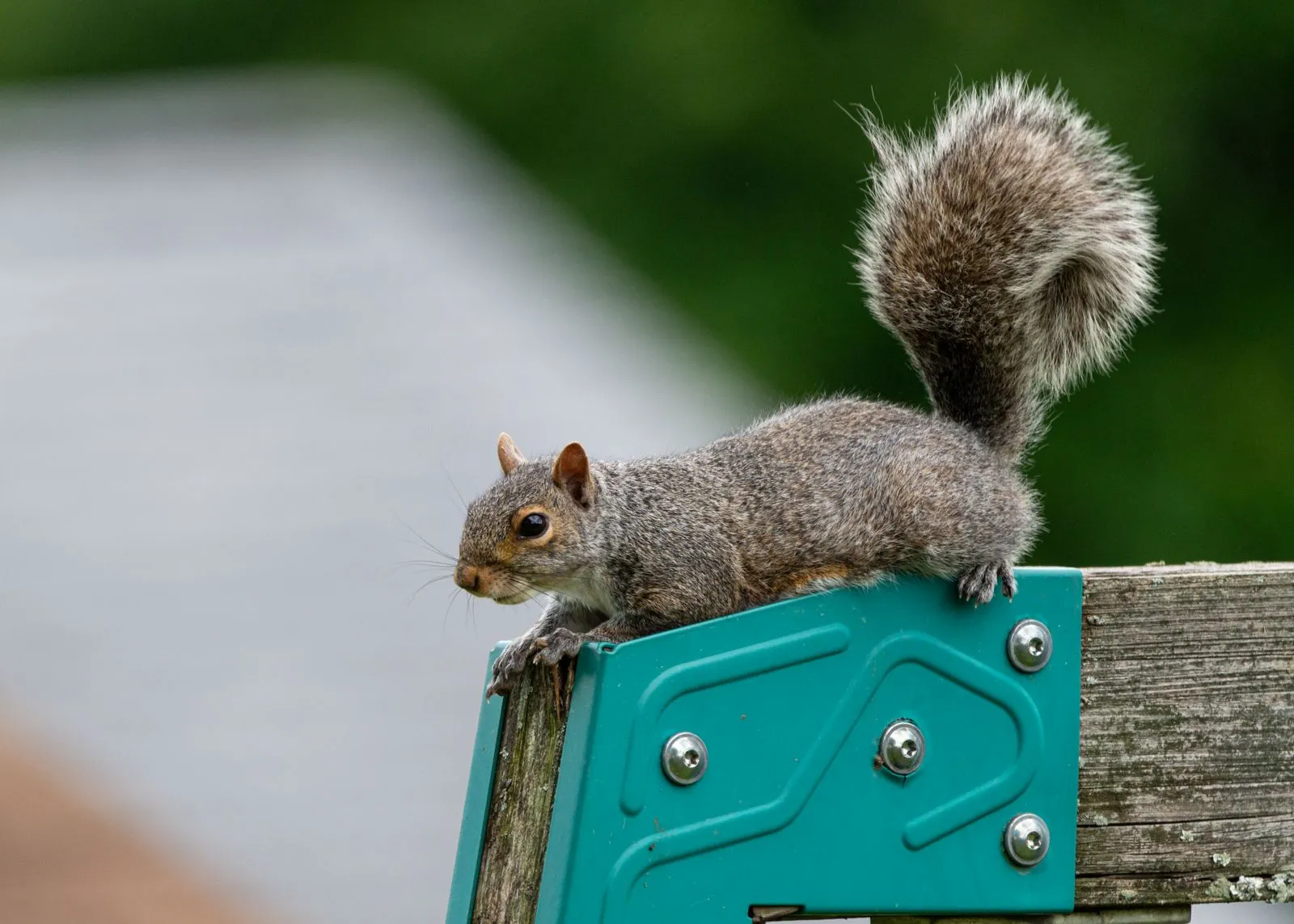
Wild animals often pass through yards and neighborhoods in search of food, water, or shelter. Around Cleveland homes, everyday items such as loose trash, uncovered wells, and reflective windows can create avoidable risks. A few practical changes can make your property safer without preventing wildlife from moving through. Start by removing easy food sources, then check windows, outdoor structures, pets, and garden products for hazards. These steps can help birds and other local animals avoid injury.
Secure Food and Trash
Keep garbage in sturdy containers with tightly fitting lids, and put bins out close to collection time when possible. Clean recycling containers that held food, and do not leave pet food outdoors overnight. Fallen fruit, open compost, and spilled birdseed can also attract wildlife. Remove what you can, and store compost in a covered, wildlife-resistant bin.
If you feed birds, use a feeder designed to limit spills and clean it regularly. Place it where you can monitor it, and pick up seed that gathers underneath. Avoid feeding wild mammals directly. Feeding can draw animals close to roads and people, and it may lead them to depend on an unreliable food source.
Make Windows Easier to See
Birds may mistake reflections of trees or sky for open space, or see indoor plants reflected in glass. Put closely spaced decals, tape, or other visible patterns on the outside of large windows, covering the areas where birds might fly. A single decal in the center usually leaves most of the glass looking open to a bird.
Move bird feeders either very close to windows or farther away, rather than placing them at an intermediate distance. Close placement can reduce the force of a collision; greater distance gives birds more room to change direction. If you find an injured bird, keep people and pets away and contact a qualified wildlife rehabilitator for guidance.
Protect Wildlife From Pets
Keep cats indoors, in an enclosed outdoor space, or supervised on a leash. When outside, dogs should be leashed or closely watched, especially near brush, ponds, and nesting areas. Pets can injure wildlife even during brief encounters, while wild animals may bite or scratch when they feel cornered.
Check under decks, sheds, and shrubs before mowing, trimming, or starting outdoor equipment. Look for nests or animals resting in the area, and give them space. During breeding seasons, avoid disturbing nests or young animals. If an animal appears injured or trapped, do not handle it; call a licensed wildlife rehabilitator for advice.
Reduce Yard and Building Hazards
Use pesticides, rodent poisons, and lawn chemicals only when needed, and follow label directions exactly. Store them securely and dispose of unused products as directed. Poisoned rodents can harm animals that eat them, while careless chemical use can contaminate food, water, and shelter areas used by wildlife.
Cover open wells, window wells, and water tanks with secure barriers, and check them regularly for trapped animals. Keep swimming pools covered when not in use, or provide a rough-sided escape ramp. Before sealing a roofline, shed, or chimney, make sure no animal is inside and that young are not separated from an adult.
Small changes around your home can prevent many common wildlife hazards. Secure food and chemicals, make glass visible, supervise pets, and check spaces before doing yard work or repairs. If you find an animal that may be injured, contact a qualified local wildlife rehabilitator before trying to move it.